




Description
What if music were the inspiration behind one of the most important theories in physics?
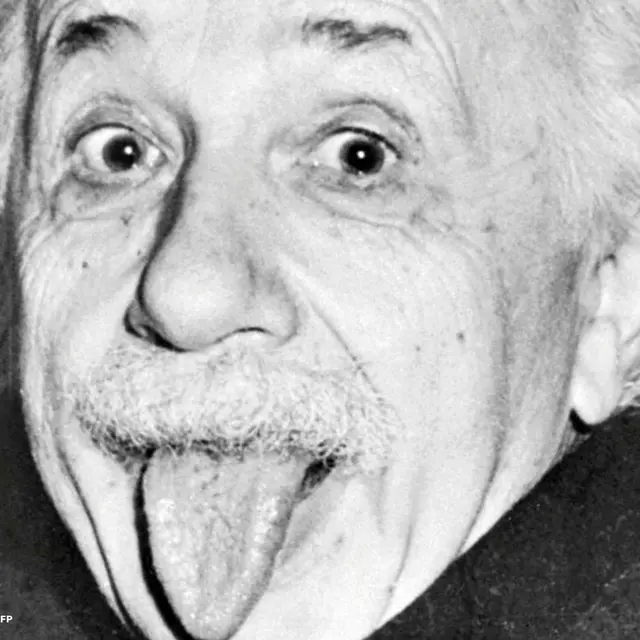
This is what the life of Albert Einstein, the great physicist and… unexpected music lover, suggests! Behind the famous equation E=mc² lies the figure of Albert Einstein, a brilliant theorist but also a passionate violinist, for whom music was not merely a refuge but a genuine way of understanding the world.
In dialogue with violinist Geneviève Laurenceau and physicist and philosopher of science Étienne Klein, this programme weaves a sensitive journey through three centuries of music. From Mozart’s verve to the meditative depth of J. S. Bach, from Beethoven’s lyrical tension to Barber’s modern intensity, each work explores, in its own way, movement, resonance and time. A sensory experience to understand the world differently, at the crossroads of the laws of physics and emotion.
Satoshi Yoneda – conductor
Geneviève Laurenceau – violin
Étienne Klein – physicist and philosopher of science
Wolfgang Amadeus Mozart – Violin Concerto No. 3 in G major, K. 216 – Adagio (1775)
Ludwig van Beethoven – Romance for Violin and Orchestra No. 1 in G major, Op. 40 (1800–1801)
Samuel Barber – Concerto for Violin and Orchestra, Op. 14 – 1st movement (1940)
Arvo Pärt – Fratres (1977) – Arrangement for violin and orchestra
Johann Sebastian Bach – Concerto for Violin, String Orchestra and Continuo No. 2 in E major, BWV 1042 – excerpts (1717–1726)
